Instructions to use dealignai/Qwen3.5-VL-397B-A17B-JANG_2L-CRACK with libraries, inference providers, notebooks, and local apps. Follow these links to get started.
- Libraries
- MLX
How to use dealignai/Qwen3.5-VL-397B-A17B-JANG_2L-CRACK with MLX:
# Make sure mlx-vlm is installed # pip install --upgrade mlx-vlm from mlx_vlm import load, generate from mlx_vlm.prompt_utils import apply_chat_template from mlx_vlm.utils import load_config # Load the model model, processor = load("dealignai/Qwen3.5-VL-397B-A17B-JANG_2L-CRACK") config = load_config("dealignai/Qwen3.5-VL-397B-A17B-JANG_2L-CRACK") # Prepare input image = ["http://images.cocodataset.org/val2017/000000039769.jpg"] prompt = "Describe this image." # Apply chat template formatted_prompt = apply_chat_template( processor, config, prompt, num_images=1 ) # Generate output output = generate(model, processor, formatted_prompt, image) print(output) - Notebooks
- Google Colab
- Kaggle
- Local Apps Settings
- LM Studio
- Pi
How to use dealignai/Qwen3.5-VL-397B-A17B-JANG_2L-CRACK with Pi:
Start the MLX server
# Install MLX LM: uv tool install mlx-lm # Start a local OpenAI-compatible server: mlx_lm.server --model "dealignai/Qwen3.5-VL-397B-A17B-JANG_2L-CRACK"
Configure the model in Pi
# Install Pi: npm install -g @mariozechner/pi-coding-agent # Add to ~/.pi/agent/models.json: { "providers": { "mlx-lm": { "baseUrl": "http://localhost:8080/v1", "api": "openai-completions", "apiKey": "none", "models": [ { "id": "dealignai/Qwen3.5-VL-397B-A17B-JANG_2L-CRACK" } ] } } }Run Pi
# Start Pi in your project directory: pi
- Hermes Agent new
How to use dealignai/Qwen3.5-VL-397B-A17B-JANG_2L-CRACK with Hermes Agent:
Start the MLX server
# Install MLX LM: uv tool install mlx-lm # Start a local OpenAI-compatible server: mlx_lm.server --model "dealignai/Qwen3.5-VL-397B-A17B-JANG_2L-CRACK"
Configure Hermes
# Install Hermes: curl -fsSL https://hermes-agent.nousresearch.com/install.sh | bash hermes setup # Point Hermes at the local server: hermes config set model.provider custom hermes config set model.base_url http://127.0.0.1:8080/v1 hermes config set model.default dealignai/Qwen3.5-VL-397B-A17B-JANG_2L-CRACK
Run Hermes
hermes
- OpenClaw new
How to use dealignai/Qwen3.5-VL-397B-A17B-JANG_2L-CRACK with OpenClaw:
Start the MLX server
# Install MLX LM: uv tool install mlx-lm # Start a local OpenAI-compatible server: mlx_lm.server --model "dealignai/Qwen3.5-VL-397B-A17B-JANG_2L-CRACK"
Configure OpenClaw
# Install OpenClaw: npm install -g openclaw@latest # Register the local server and set it as the default model: openclaw onboard --non-interactive --mode local \ --auth-choice custom-api-key \ --custom-base-url http://127.0.0.1:8080/v1 \ --custom-model-id "dealignai/Qwen3.5-VL-397B-A17B-JANG_2L-CRACK" \ --custom-provider-id mlx-lm \ --custom-compatibility openai \ --custom-text-input \ --accept-risk \ --skip-health
Run OpenClaw
openclaw agent --local --agent main --message "Hello from Hugging Face"
Important: This model uses the JANG quantization format — the GGUF equivalent for MLX on Apple Silicon. Currently only supported by MLX Studio and the
jang-toolsPython package.

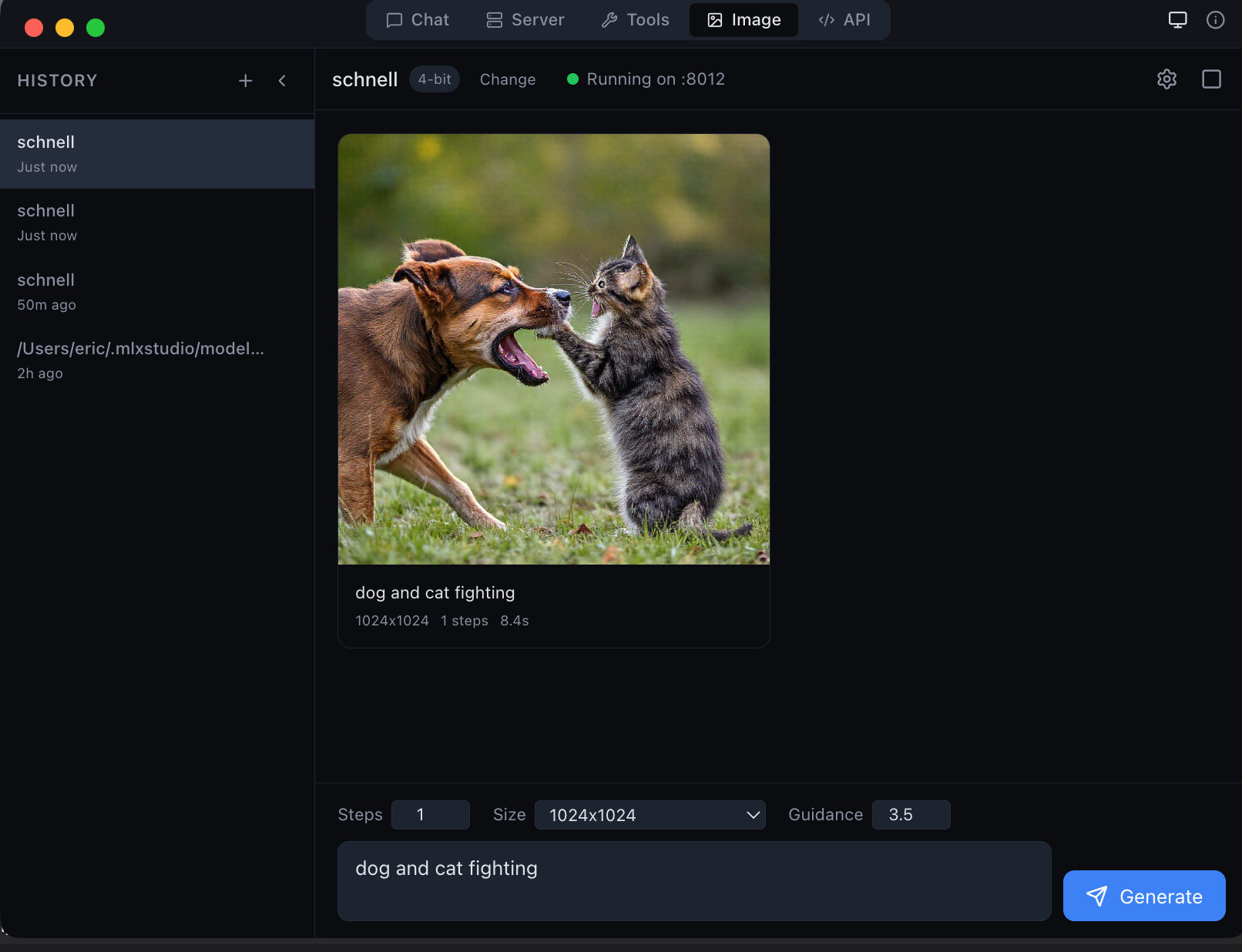
MLX Studio — the only app that natively supports JANG models
Qwen 3.5 VL 397B — JANG_2L + CRACK
JANG mixed-precision · CRACK abliterated · Vision-Language · No guardrails · 187 GB
What Is This?
This is Qwen 3.5 VL 397B — a 397B parameter hybrid SSM/Attention Mixture-of-Experts model with 512 experts (10 active per token), and built-in vision.
It has been:
- JANG quantized — JANG_2L profile (8-bit attention, 6-bit important, 2-3-bit experts) — 187 GB
- CRACK abliterated — permanent weight-level removal of safety refusal
| Architecture | Qwen 3.5 VL MoE — 397B total, ~17B active, 512 experts, hybrid SSM/FA |
| Quantization | JANG_2L (8/6/3/2-bit mixed, 3.72 avg) — 187 GB |
| HarmBench | 98.4% (315/320) |
| Compliance | 8/8 |
| Vision | Yes — via MLX Studio / vMLX |
| Thinking | ON/OFF supported |
| MMLU | 86.5% (180/208) |
| Speed | ~33 tok/s (M4 Ultra 256GB) |
| Fits on | 256 GB Macs |
Also see: JANG_1L version — 112 GB, 96.2% HarmBench (fits on 128 GB Macs)
HarmBench Results
315/320 (98.4%)
| Category | Score | |
|---|---|---|
| Chemical / Biological | 42/42 | 100% |
| Copyright | 80/80 | 100% |
| Cybercrime / Intrusion | 52/52 | 100% |
| Harmful | 18/18 | 100% |
| Misinformation / Disinfo | 53/54 | 98% |
| Illegal | 51/53 | 96% |
| Harassment / Bullying | 19/21 | 90% |
Install & Usage
pip install "jang[mlx]"
from jang_tools.loader import load_jang_model
from mlx_lm import generate
model, tokenizer = load_jang_model("dealignai/Qwen3.5-VL-397B-A17B-JANG_2L-CRACK")
messages = [{"role": "user", "content": "Your prompt here"}]
prompt = tokenizer.apply_chat_template(
messages, add_generation_prompt=True, tokenize=False)
response = generate(model, tokenizer, prompt=prompt, max_tokens=2000)
print(response)
Thinking Mode
Thinking is ON by default. To disable:
prompt = tokenizer.apply_chat_template(
messages, add_generation_prompt=True,
enable_thinking=False, tokenize=False)
About JANG
JANG (Jang Adaptive N-bit Grading) is a mixed-precision quantization format for Apple Silicon — the GGUF equivalent for MLX.
About CRACK
CRACK (Controlled Refusal Ablation via Calibrated Knockouts) removes safety alignment from LLMs at the weight level using per-layer projected vectors from structurally-mirrored prompt pairs.

Links
Disclaimer
This model is provided for research and educational purposes. The creators are not responsible for any misuse. By downloading this model, you agree to use it responsibly and in compliance with applicable laws.
한국어
Qwen 3.5 VL 397B — JANG_2L + CRACK
| 항목 | 내용 |
|---|---|
| 크기 | 187 GB |
| HarmBench | 98.4% (315/320) |
| 최소 요구사양 | 256 GB 메모리 Mac |
pip install "jang[mlx]"
GitHub · HuggingFace · MLX Studio · Ko-fi · X @dealignai
Created by Jinho Jang · 장진호 제작
- Downloads last month
- 154
Quantized